

When it comes to boosting your property's exterior attractiveness and providing a durable surface for your car, choosing the appropriate contractor for your driveway is essential. In Ontario, where the conditions can swing from intense heat to subzero cold, the appropriate expertise can make all the impact in the lifespan and performance of your concrete driveway. With client testimonials and suggestions playing a major role in decision-making, we explore some of the most reliable contractors for concrete driveways in the locality.
Concrete driveways can be an investment, but knowing factors such as how Ontario's freeze-thaw cycles affect their strength, the differences between concrete and asphalt, and the necessity of correct installation methods is vital. In this piece, we will guide you through the vital details to select the ideal contractor, the different options available, and the maintenance practices that will keep your driveway looking great for years to come. Regardless of whether you are contemplating a fresh installation or thinking about rehabilitating an old driveway, our comprehensive insights will enable you decide among the choices with certainty.
Impact of Freezing and Thawing Phenomena on Cement Surfaces
Ontario's Region climate is characterized by brutal winters and substantial temperature fluctuations, leading to cold-warm cycles that can profoundly impact concrete driveways. When temperatures drop, water within the concrete can freeze, causing it to grow. As the temperature rises, the ice melts, and the concrete contracts. This ongoing cycle creates pressure on the concrete, which can lead to cracking, chipping, and additional forms of damage as time passes.
To reduce the harmful effects of freeze-thaw processes, proper setup practices are crucial. Utilizing air-infused concrete mixes can incorporate microscopic air bubbles, allowing for the growth of ice without leading to damage to the structure. Additionally, ensuring sufficient drainage and proper grading helps avert liquid accumulation, lessening the risk of cold-warm damage. Residents should also consider protective coatings to protect their driveways from water intrusion.
Regular maintenance and prompt repairs play a key role in protecting the integrity of cement surfaces exposed to freeze-thaw conditions. Inspecting for fissures and tackling them promptly can avert water leakage, which may worsen damage during the winter months. By recognizing the influence of Ontario's freeze-thaw processes and taking proactive measures, property owners can ensure their concrete driveways continue to be durable and operational for an extended period to come.
Selecting the Perfect Concrete Driveway Design
While selecting a concrete driveway design, it's crucial to consider both appearance and practicality. Stamped cement offers the versatility of replicating various textures, including rock and masonry, providing a visually appealing appearance without the high cost of materials. Its aesthetic nature can enhance curb appeal, making it a popular choice among homeowners seeking to elevate their property's aesthetic value.
Concrete with a broom finish, on the contrary, is known for its utility and slip resistance. check out this site is created by dragging a broom across the surface to develop texture, perfect for driveways in wintry climates where grip is vital. Additionally, broom finish is an affordable option that merges functionality with ease of use, appealing to those who emphasize durability and simplicity of maintenance.
Concrete with exposed aggregate presents a unique blend of elegance and strength. This style showcases the natural stone aggregate, offering a beautiful and durable surface. It is particularly well-suited for areas that receive high foot and vehicle traffic, as it provides excellent grip and durability. Homeowners should take into account their specific requirements and the environment when selecting between these choices, ensuring the selected style aligns with both functional needs and personal taste.
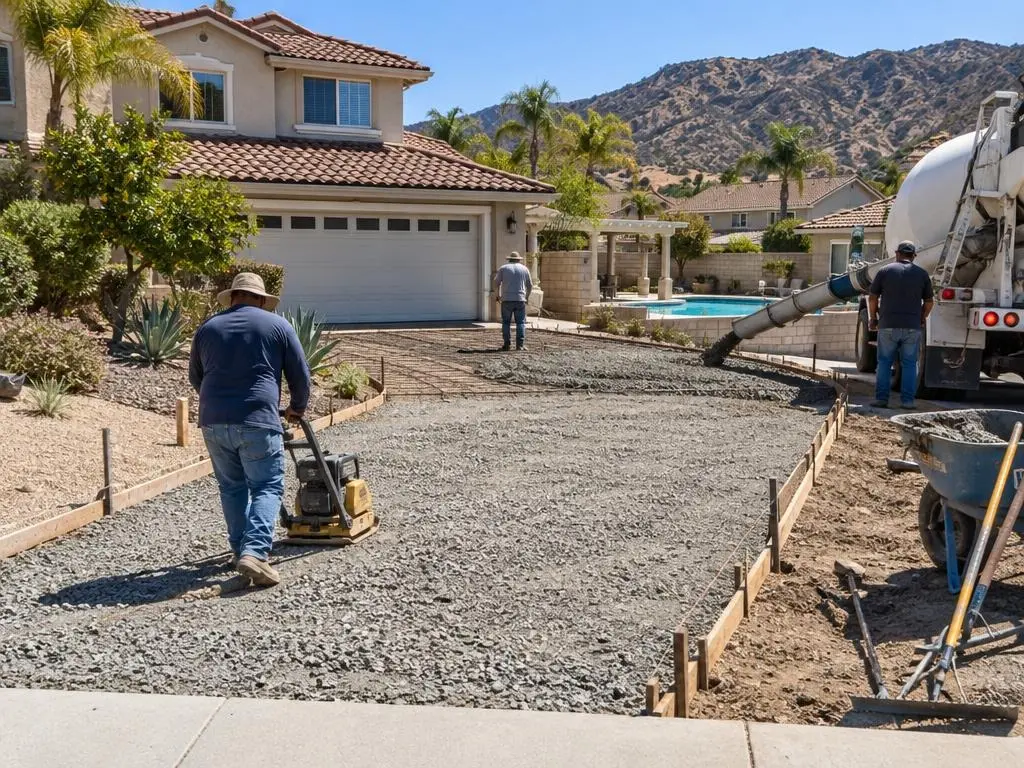
Maintaining & Repairing Cement Driveways
Consistent maintenance of concrete driveways is vital for prolonging their lifespan and maintaining they stay aesthetically pleasing. Regular cleaning matters to remove soil, debris, and blemishes, that might degrade the surface over time. Typical cleaning methods include pressure washing and the application of mild detergents. In addition, sealing the driveway every few years safeguards it from moisture and UV damage, avoiding cracks and fading.
In situations where damage happens, timely repairs can avoid further deterioration. Common issues such as fissures, spalling, and scaling demand distinct approaches for repair. For little cracks, using a concrete filler can revive the surface, while bigger cracks might need additional patching. It’s important to address these problems as soon as they are seen, as neglecting them can lead to greater repairs down the line.
If the driveway shows significant damage or major settling, it may be appropriate to consider resurfacing or upgrading it entirely. Resurfacing involves applying a new layer of concrete over the existing surface, refreshing its appearance and durability without the cost of a full replacement. Alternatively, if serious concerns are evident, replacement may be the best solution. Engaging a reliable contractor can guarantee the right decision is made based on the specific condition of the driveway.